
Home / Services / Firebreaks & Defensible Space
Firebreaks & Defensible Space in New Jersey
New Jersey is not the western United States, but that does not mean wildfire risk is imaginary here. Dry summers, leaf litter, steep wooded lots, and tight transitions between woods and structures can all create conditions where fire moves faster than people expect. Firebreak and defensible space work is about reducing that risk by changing what is available to burn and how close heavy vegetation sits to homes, barns, outbuildings, roads, and access points.
Brush Busters creates defensible space by clearing brush, thinning problem growth, and opening targeted zones around structures and corridors so the property is less vulnerable when conditions get dry. That does not mean stripping the land bare. It means creating space, reducing fuel continuity, and making it easier for owners, insurers, and emergency access routes to function the way they should. On wooded New Jersey properties, especially those with slopes and long driveways, that kind of work can make a real difference.
How Firebreaks & Defensible Space Works
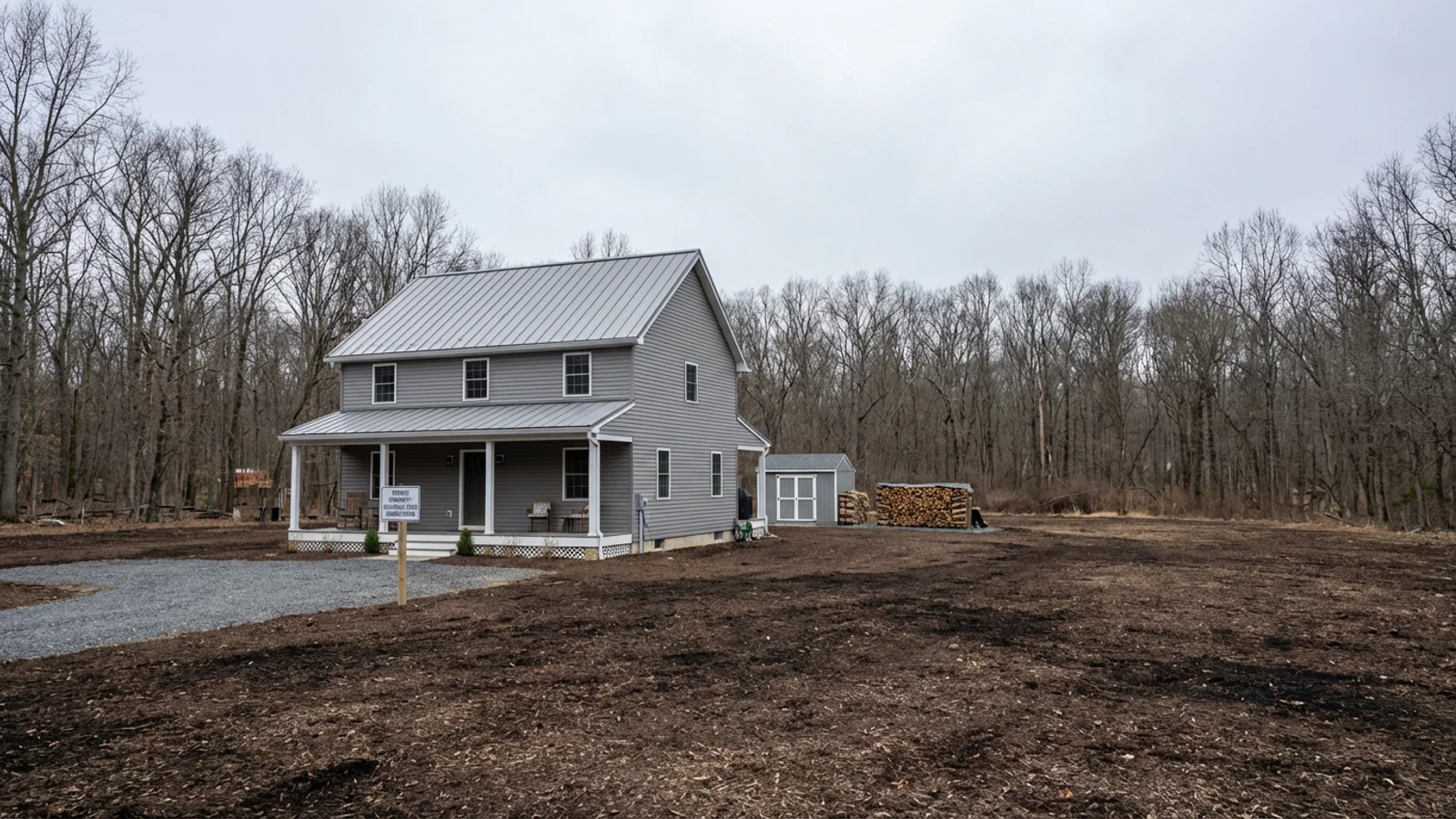
Defensible space work starts with identifying where fuel load is the real problem. That is usually not every square foot of the property. It is the dense brush under the trees, the unmanaged edge right up against a structure, the overgrown slope below a driveway, or the thick vegetation that closes in around an access route. We look at how the land lays, where structures sit, how the wind tends to move through the site, and where concentrated fuel is making the property less resilient.
From there, we clear and thin strategically. Brush, saplings, vines, and ladder fuels are reduced so fire has a harder time climbing from ground-level vegetation into shrubs and lower tree canopy. The machine work also helps break up continuous fuel beds along edges and access routes. On many wooded lots, that means the difference between a property that is boxed in by unmanaged growth and one that has breathing room around the features that matter most.
New Jersey sites often bring extra considerations like rocky slopes, long private drives, and mixed hardwood stands with heavy understory. We handle those conditions with a practical approach instead of a generic national checklist. The goal is to lower risk, improve access, and leave the property easier to maintain without making it look scraped or over-cleared.
What's Included
- Strategic clearing of brush, saplings, vines, and ladder fuels around homes, barns, garages, sheds, and access routes.
- Opening up wooded edges and overgrown slopes so dense fuel does not sit directly against important structures.
- Selective thinning and spacing that reduces fuel continuity while preserving the broader tree line where appropriate.
- Clearing around long private driveways, turnarounds, and approach corridors so emergency access is less restricted.
- On-site mulching of cleared vegetation to avoid leaving combustible piles stacked near structures or along the driveway.
- A site-specific walkthrough focused on risk areas, maintenance needs, and the most useful zones to tackle first.
Best For
- Wooded homesites where brush and understory have crept too close to the house, barn, detached garage, or outbuildings.
- Properties with long private drives where access and visibility need to stay open during dry summer conditions.
- Sloped sites where dense vegetation below structures could allow fire to run uphill faster than expected.
- Owners responding to insurance concerns, maintenance pressure, or a general need to reduce unmanaged fuel load.
- Seasonal or rural properties where the land has been allowed to thicken up and needs a more durable reset.
Pricing Factors for Firebreaks & Defensible Space
Pricing depends on how much of the property needs to be treated, how dense the vegetation is, and whether the work is broad thinning or targeted clearing around structures and access routes. A small zone around a house is very different from a long wooded driveway with multiple outbuildings and heavy understory on both sides.
Slope, access, and selectivity also matter. Defensible space jobs often happen in tighter areas where the machine needs to work carefully near fencing, retaining walls, landscaping, or utility features. We price the work based on the zones that actually need attention, not on the assumption that the whole parcel gets treated the same way.
Why Brush Busters for Firebreaks & Defensible Space
Defensible space only works when the operator understands the difference between useful clearing and random overcutting. Brush Busters approaches these jobs with a practical eye for structure protection, access, and long-term maintenance. We are not trying to make a wooded property look barren. We are trying to remove the concentrated fuel that puts the important parts of the property at greater risk.
Because we are owner-operated, the conversation about what needs to be protected carries straight through to the field work. That matters when there are barns, stone walls, ornamental areas, utility approaches, or specific tree groupings that should stay. The finished result should look intentional and defensible, not like someone came through and flattened the edge without a plan.
Where We Offer Firebreaks & Defensible Space
We work across Hunterdon, Somerset, Warren, and Morris counties, with strong demand in Chester, NJ, Bernardsville, NJ, Mendham, NJ, Lebanon Township, NJ, Tewksbury, NJ. Firebreaks & Defensible Space is a good fit for everything from tight residential lots to rough back acreage, depending on the scope and the access.
Before and After
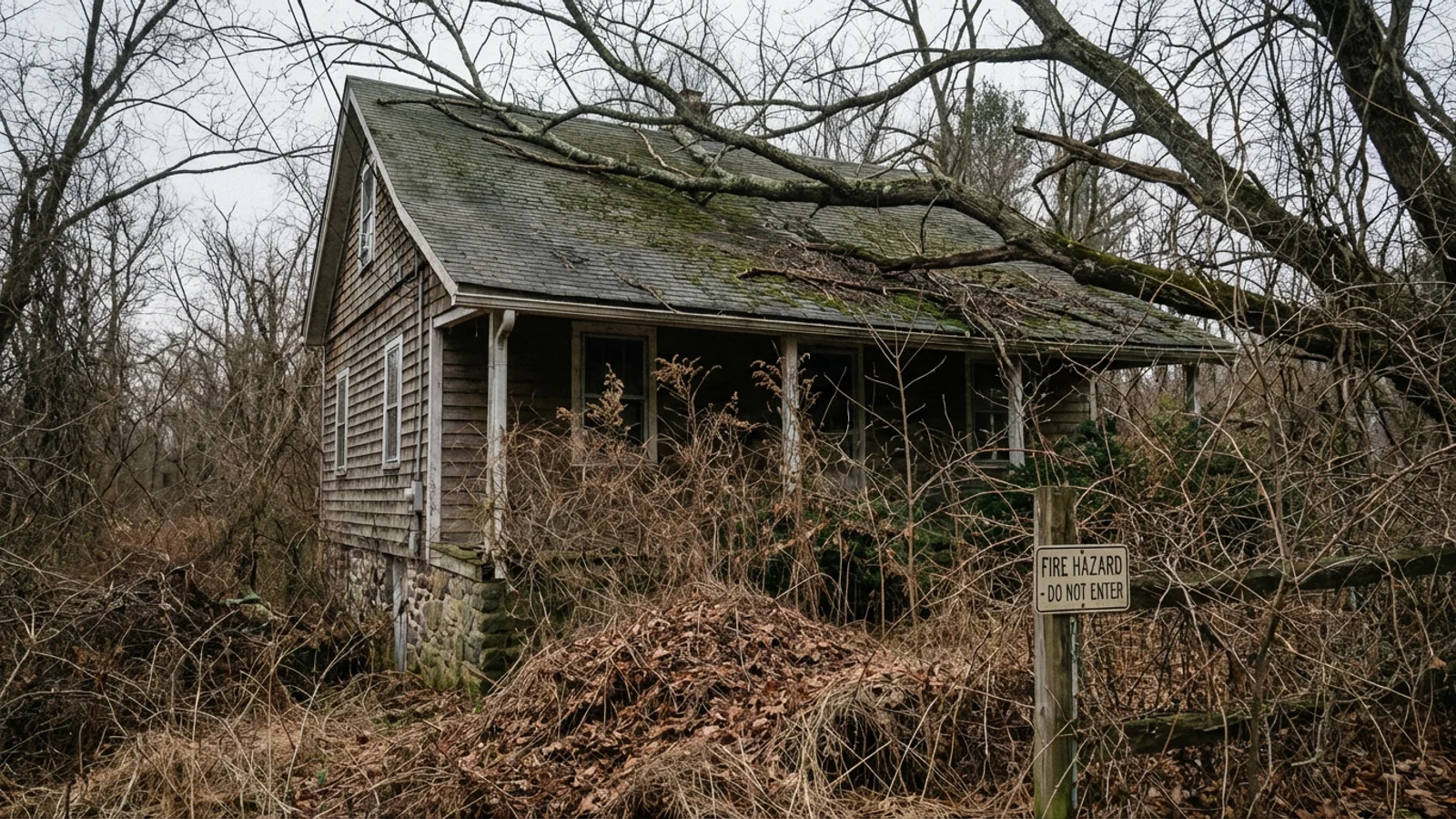
Before
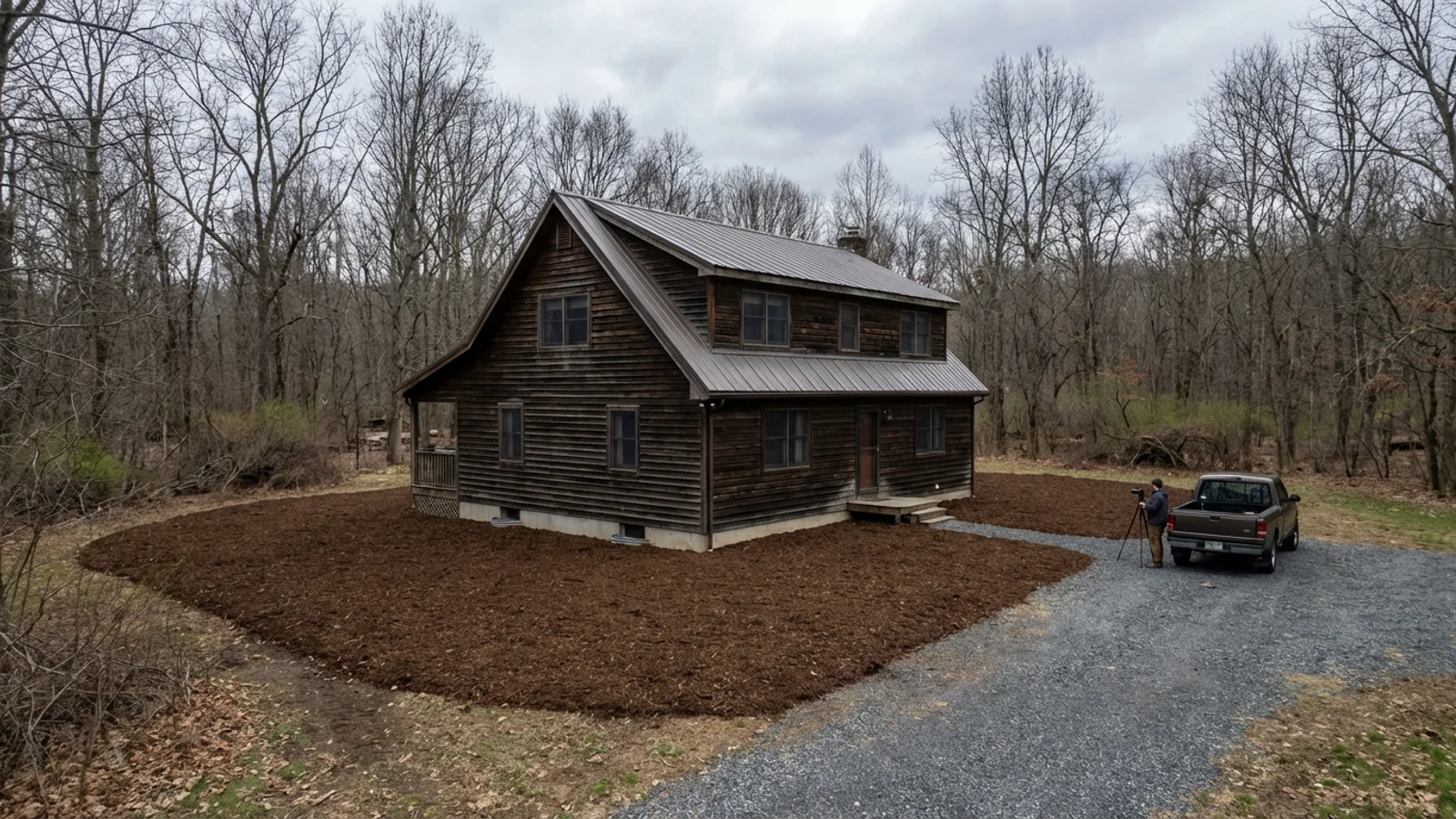
After
Typical defensible space improvement around wooded structures and access routes
Common Questions
What is defensible space?
Defensible space is the managed area around a structure where vegetation is reduced and spaced so fire has a harder time reaching the building. It is about breaking up fuel, improving access, and lowering risk around the most important parts of the property.
Do properties in New Jersey really need defensible space?
Some do. New Jersey has wooded lots, dry leaf litter, summer drought stretches, and long private drives that can create real fire exposure. Not every property needs the same level of treatment, but unmanaged brush close to structures is never helping.
How much does defensible space clearing cost?
Cost depends on how many zones need work, how dense the vegetation is, and how carefully the machine has to operate around structures and landscape features. We quote defensible space work based on the actual risk areas instead of using a generic package price.
Will clearing defensible space ruin the look of my property?
No, not when it is done correctly. The goal is targeted fuel reduction, not making the whole property look stripped. We can clear brush and ladder fuels while preserving the broader wooded character of the site.
How close to a house should brush be cleared?
There is no one-size-fits-all number for every property, but heavy brush and unmanaged understory should not be crowding the house, barn, or primary access route. We look at the site, structure placement, and terrain to recommend useful clearing zones.
Can you create defensible space on steep wooded lots?
Yes. In fact, steep wooded lots are often where this work matters most. Slope can intensify fire behavior, so reducing dense vegetation below structures and along access routes is often part of the plan.
Does insurance ever care about defensible space?
Yes, depending on the carrier and the property. Some owners call us after an insurer or inspector flags overgrown conditions around structures, while others want to get ahead of the issue before it becomes a problem.
Will the cleared material be hauled away?
Usually the vegetation is mulched in place so you are not left with piles of burnable debris stacked around the property. That is one of the biggest advantages of using mulching equipment for defensible space work.
How often should defensible space be maintained?
That depends on how aggressive the regrowth is and how wooded the property is. Many sites need periodic touch-up maintenance, especially where vines, briars, and saplings come back fast along the edge.
What services pair well with defensible space work?
Defensible space often overlaps with Forestry Mulching, Brush Clearing, and Hillside Clearing. If the risk areas are spread across slopes, wooded edges, and access routes, those services often connect naturally within the same overall plan.
Related Services
Forestry Mulching
We grind brush, saplings, and small trees into mulch on the spot – no hauling, no burn piles, no mess.
Brush Clearing
Thick undergrowth, vines, and overgrown fence lines cleared down to clean, walkable ground.
Hillside Clearing
Steep terrain and rocky slopes cleared safely with tracked, low-ground-pressure equipment.
Need the full New Jersey clearing picture?
Our complete guide walks through methods, costs, permits, regulations, invasive species, and how to choose the right approach before you commit to a job.
Need a Straight Answer on the Scope?
Tell us where the property is, what needs to go, and what you want to keep. We will walk the site and give you a clear next step.
Or call (908) 774-9235.