
Home / Services / Brush Clearing
Brush Clearing in New Jersey
Brush clearing is what brings land back from the stage where mowers, string trimmers, and weekend cleanup stop being realistic. In New Jersey, that usually means thick undergrowth, thorny brush, invasive vines, and saplings crowding together until the property edge disappears. Brush Busters clears that growth down to usable ground so you can see where your lot begins, walk the land again, and move on to the next step without fighting the vegetation every weekend.
A lot of people use “brush clearing” as a catch-all phrase, but the right approach depends on what is actually growing on the site. If you are trying to compare scenarios, our brush removal costs guide is the cleanest place to start. Light grass cutting is not the same thing as removing multiflora rose, Japanese knotweed, mile-a-minute vine, barberry, bittersweet, and young hardwoods. Brush clearing often overlaps with Forestry Mulching and Invasive Species Removal, especially on New Jersey lots where brush has been left alone for years. We review the growth, access, and finish you want, then recommend the cleanest way to get there.
How Brush Clearing Works
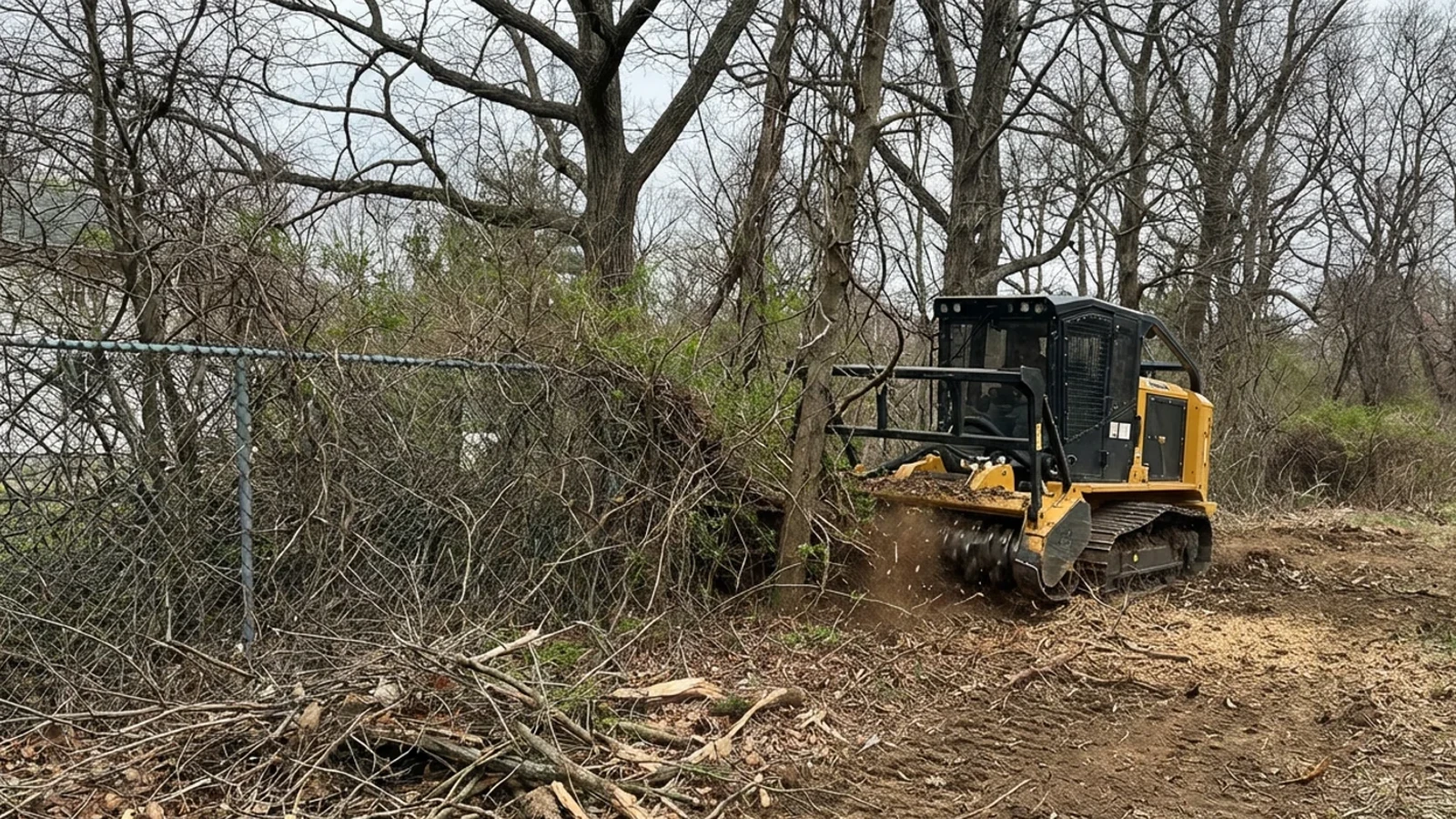
Brush clearing starts with identifying what is actually on the property. A buried fence row, a vine-choked lot line, and a brushy backyard edge each call for a slightly different sequence. We look at density, species, access width, what you want preserved, and how clean the final result needs to be. Then we match the equipment to the job instead of treating every overgrown site the same.
When the brush is heavy enough, mechanical clearing with mulching equipment is usually the fastest route. The machine works through undergrowth, vines, thorny growth, and small woody material while staying controlled around trees, structures, fences, and edges you want intact. That is what separates real brush clearing from just knocking things flat. It is also why brush clearing is often the first step for projects like clearing for outdoor living instead of generic mowing. The goal is usable ground, not a bigger mess with the vegetation chopped and left tangled.
What is left behind depends on the type of growth and the scope of the work, but most brush clearing jobs finish with a thin mulch layer or finely processed debris spread over the surface. You do not end up with random heaps of brush waiting for someone else to come collect them. On many properties, that means the area is walkable the same day and much easier to maintain afterward with regular mowing, spot cutting, or follow-up treatment where aggressive species are involved.
What's Included
- Clearing of thick undergrowth, vine tangles, thorny brush, saplings, and overgrown edges that ordinary mowing equipment cannot handle.
- Selective work around property lines, desirable trees, sheds, retaining walls, fences, and visible utilities where clean access matters.
- Knockback of common New Jersey problem species such as multiflora rose, porcelainberry, barberry, knotweed, and bittersweet.
- Opening up fence rows, backyard edges, lot boundaries, stormwater edges, and brushy sections of neglected acreage.
- On-site processing of woody vegetation so the cleared area is not left with random piles waiting for haul-off or burning.
- A direct walkthrough before the job so you know what the finished edge will look like and where the clearing will stop.
Best For
- Fence lines and property edges that have vanished under vines, briars, and volunteer saplings.
- Residential backyards and side lots where vegetation is pushing toward structures, neighbors, or usable outdoor space.
- Vacant lots and overgrown build sites that need to be opened up before survey, layout, or future construction planning.
- Inherited parcels and neglected acreage where the first priority is simply being able to see and walk the land again.
- Properties with invasive growth where repeated mowing is not solving the problem and a more serious reset is needed.
Pricing Factors for Brush Clearing
Brush clearing cost in New Jersey depends on what the word “brush” actually means on your site. A light edge cleanout is one thing. A property line buried under bittersweet, thorny multiflora rose, knotweed, and young trees is another. Density, species mix, the amount of woody material, and whether we are opening a broad area or carefully tracing an edge all affect time on site.
Access is another major factor. If equipment can drive straight to the work, production goes faster and the quote stays leaner. Tight suburban access, steep slopes, wet areas, and heavily selective work all slow the process down. We also look at what happens after the first pass. Some jobs are one-and-done openings. Others, especially invasive-heavy sites, may need a follow-up plan for things like poison ivy removal or seasonal regrowth. That is where summer maintenance becomes part of the conversation instead of an afterthought. That is why we quote brush clearing after seeing the property instead of pretending every acre behaves the same way.
Why Brush Busters for Brush Clearing
Brush clearing goes wrong when the operator treats every site like a demolition job. On many New Jersey properties, the real challenge is working around the things that matter: a fence that is still serviceable, a tree line you want to keep, a drainage path that cannot be blocked, or a backyard edge next to a neighbor. Brush Busters approaches brush clearing like finish work, not just rough knockdown.
Because we are owner-operated, there is no disconnect between what gets discussed on the estimate and what happens on the machine. If you want certain trees left, if you need a clean boundary cut, or if you are trying to solve a problem with knotweed or vine pressure instead of wiping the site flat, that direction stays consistent from start to finish. That gives you a cleaner result and fewer surprises when the brush is finally gone.
Where We Offer Brush Clearing
We work across Hunterdon, Somerset, Warren, and Morris counties, with strong demand in Clinton, NJ, Branchburg, NJ, Hillsborough, NJ, Bernardsville, NJ, Mendham, NJ. Brush Clearing is a good fit for everything from tight residential lots to rough back acreage, depending on the scope and the access.
Before and After
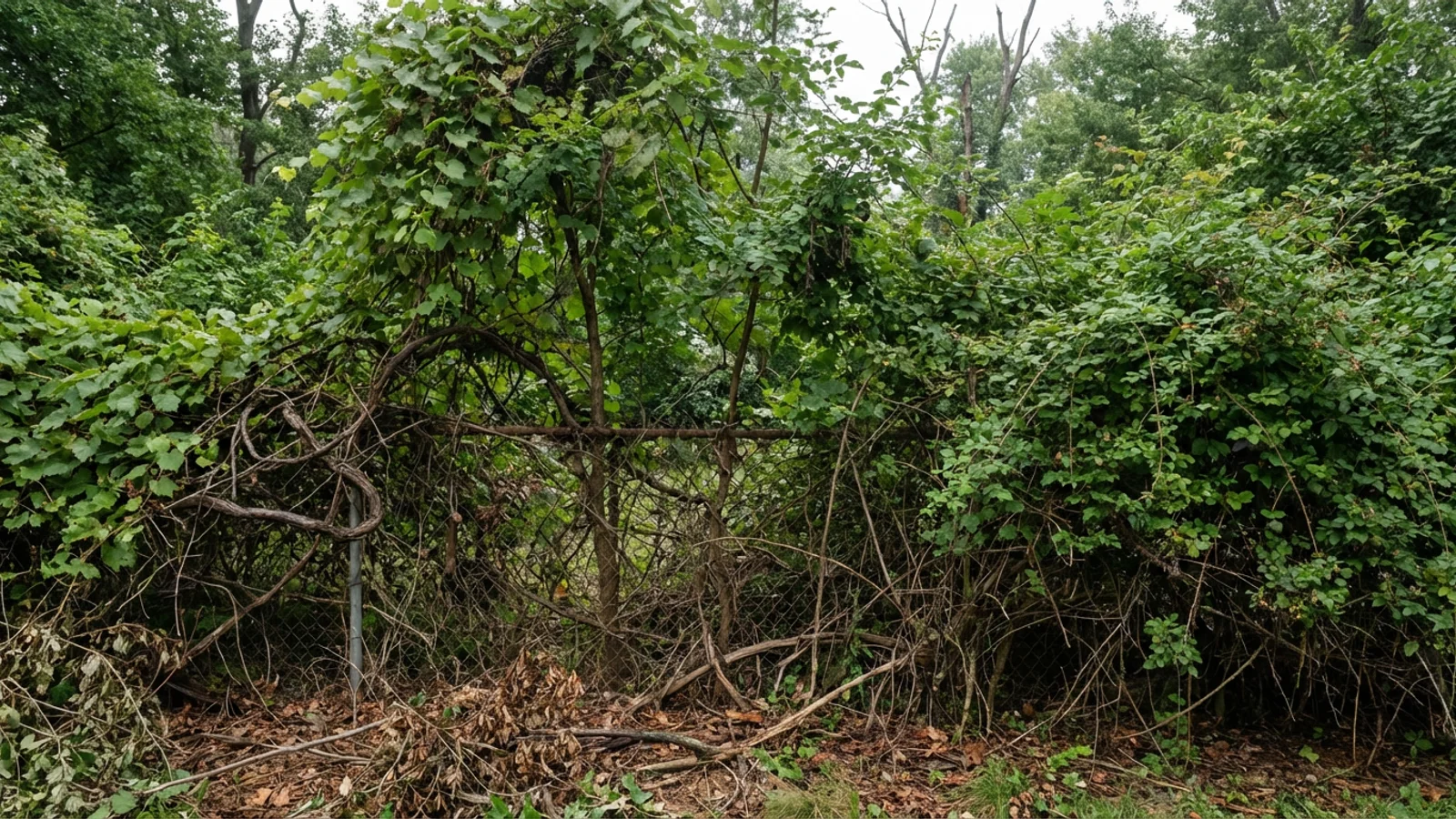
Before
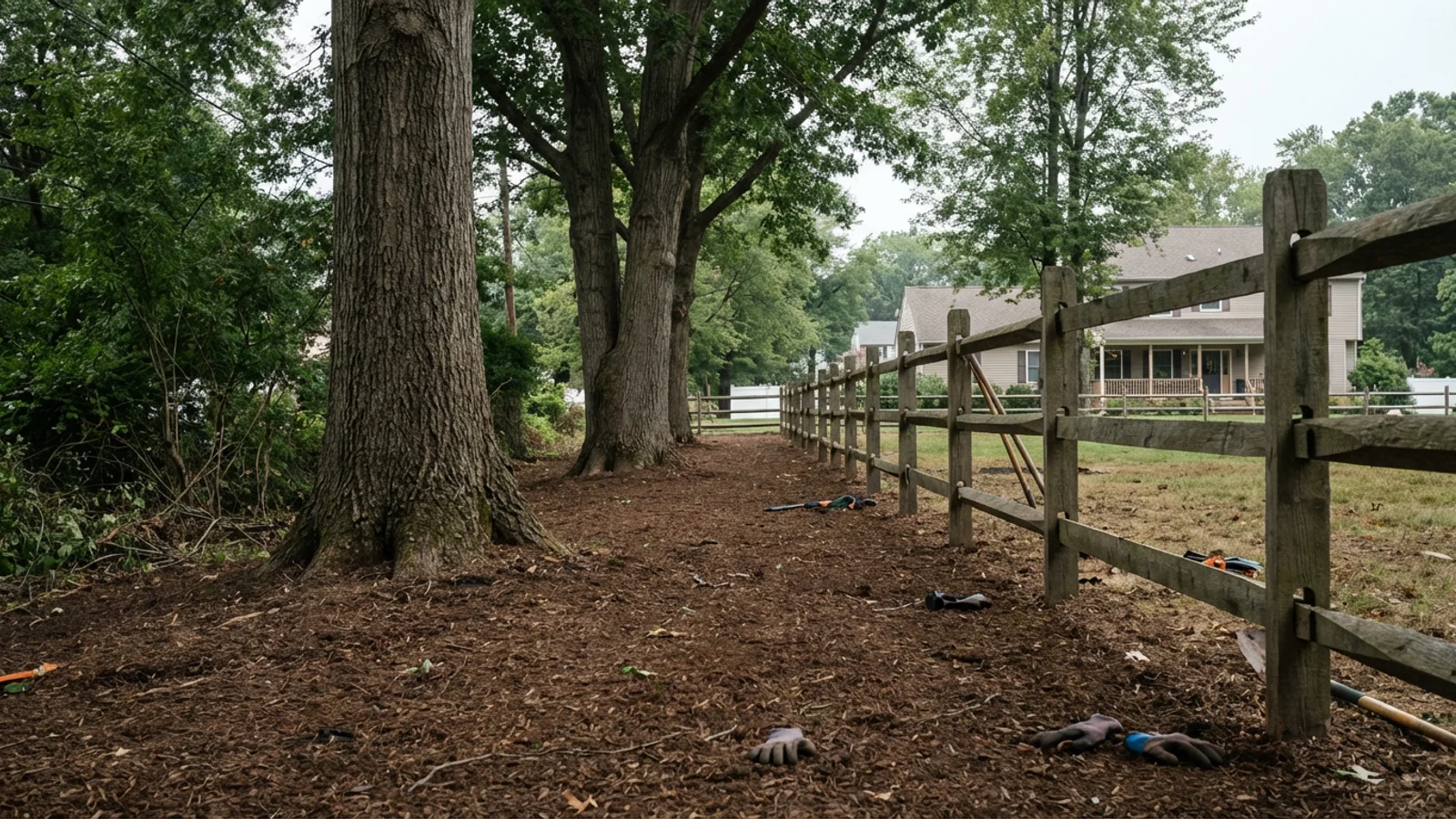
After
Typical brush clearing result from vine-choked ground to clean, usable space
Common Questions
How much does brush clearing cost in NJ?
Brush clearing cost in NJ depends on density, species, terrain, access, and how selective the job needs to be. Thick invasive growth along a fence line prices differently than a lightly overgrown field edge. We quote the job after seeing the property so the number matches the actual work.
What is the difference between brush clearing and forestry mulching?
Brush clearing is the end result you are after: getting heavy undergrowth and woody vegetation off the property. Forestry mulching is one of the main methods we use to do that. On many New Jersey sites, brush clearing and Forestry Mulching go hand in hand, especially when the growth is too heavy for ordinary mowing.
How long does brush clearing take?
Many residential brush clearing jobs are completed in a day or two once we are on-site. Timeline depends on the amount of woody material, slope, access, and whether the work is broad clearing or detailed edge cleanup around structures and boundaries.
Will brush grow back after clearing?
Some vegetation will try to come back, especially aggressive invasive species. The point of brush clearing is to reset the site and make it manageable again. After that, mowing, spot cutting, or targeted follow-up treatment may be needed depending on what was growing there in the first place.
Can you clear brush along fence lines?
Yes. Fence line work is one of the most common reasons people call us. We can remove vines, brush, and saplings that are burying the fence while working carefully around the existing line. If fence rows are the main issue, you may also want to look at Fence Line Clearing.
Do you clear invasive vines and thorny brush?
Yes. New Jersey properties often deal with multiflora rose, oriental bittersweet, porcelainberry, Japanese barberry, and other thorny or climbing growth. We clear the top growth quickly, and where regrowth is likely we can explain what kind of follow-up will keep the site under control.
What is left behind after brush clearing?
Most brush clearing jobs leave a thin mulch layer or finely processed debris spread over the ground, not stacked piles. That helps keep the site cleaner and reduces the need for a separate hauling phase. The exact finish depends on vegetation type and how clean you want the final surface.
Is brush clearing enough for an overgrown lot?
Sometimes yes, especially when the goal is to reopen access, reclaim visibility, or get the lot under control. If the property needs to be ready for construction, septic, or grading, brush clearing is often just the first step before land clearing and lot prep.
Can you clear brush on steep or rough terrain?
Yes, as long as the slope, footing, and access make the job safe for the machine. We handle a lot of rough New Jersey terrain where mowing contractors will not go. If the property is mostly grade work, take a look at Hillside Clearing.
Do I need a permit for brush clearing in New Jersey?
Many routine brush clearing jobs do not require a permit, but some towns regulate tree removal or disturbance near wetlands and stream corridors. Properties in regulated areas may also involve Highlands or NJ DEP review. We can flag the common issues and point you to New Jersey land clearing permits guide before work starts.
Related Services
Forestry Mulching
We grind brush, saplings, and small trees into mulch on the spot – no hauling, no burn piles, no mess.
Fence Line Clearing
Buried fence rows and overgrown property borders opened up and made visible again.
Invasive Species Removal
Japanese knotweed, multiflora rose, mile-a-minute vine, and other NJ invasives eliminated at ground level.
Pasture & Property Reclamation
Reclaim overgrown pastures, abandoned fields, and neglected acreage so the land becomes usable again.
Need the full New Jersey clearing picture?
Our complete guide walks through methods, costs, permits, regulations, invasive species, and how to choose the right approach before you commit to a job.
Need a Straight Answer on the Scope?
Tell us where the property is, what needs to go, and what you want to keep. We will walk the site and give you a clear next step.
Or call (908) 774-9235.