
Home / Field Notes — Land Clearing Knowledge Base / NJ Highlands Act: What It Means for Land Clearing on Your Property
NJ Highlands Act: What It Means for Land Clearing on Your Property
Published March 13, 2026 by Brush Busters • Last reviewed March 13, 2026
If you own land in western or northwestern New Jersey, the Highlands Act is one of the first things that can change a clearing project from straightforward to complicated. A lot of property owners have heard the term, but many are not totally sure what it means or whether it affects them. They know the property is wooded. They know it is hilly. They know there may be more rules out there. They just do not know where those rules start.
That uncertainty is normal. The Highlands framework is geographic, and geography is what makes it confusing. Two properties in the same county can fall under very different conditions depending on where they sit. That is why the Highlands question is never just “What county am I in?” It is “What part of the county am I in, and what exactly am I trying to do?”
What the Highlands Act is really about
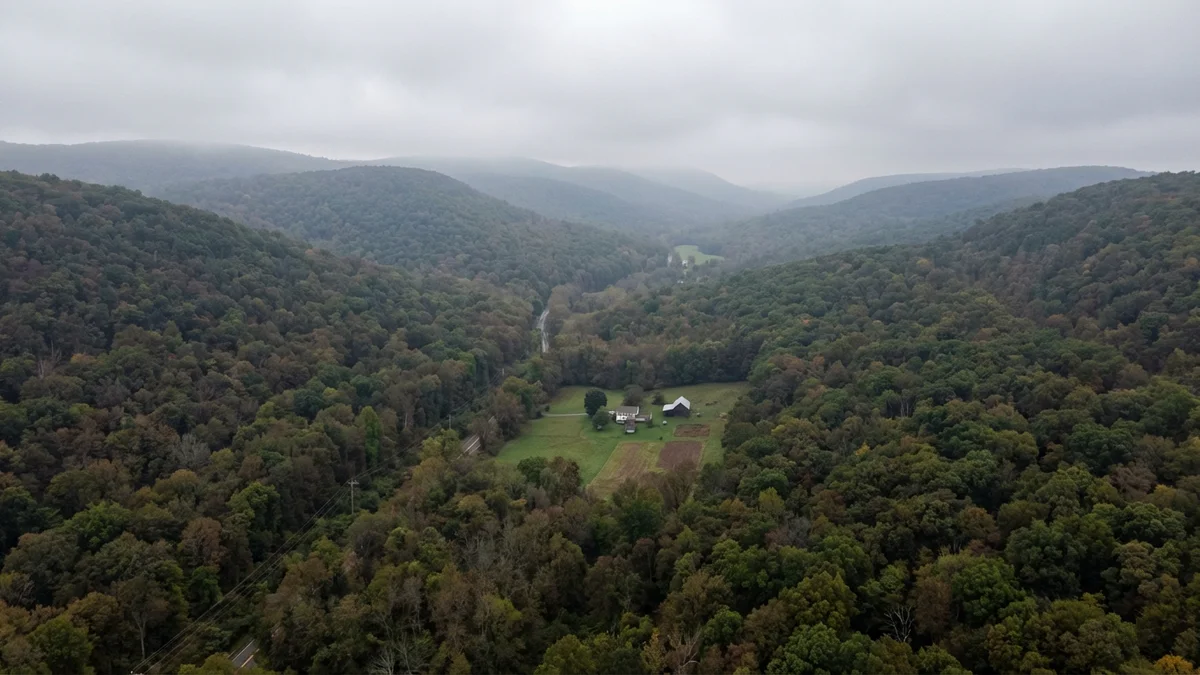
At the big-picture level, the New Jersey Highlands Water Protection and Planning Act exists to protect a region that plays a major role in the state’s water resources and environmental health. The Highlands region covers a huge area across parts of seven counties, and the Preservation Area is the part where the state’s review is strongest for many projects.
According to New Jersey’s own Highlands materials, the broader region spans 88 municipalities in seven counties, while the Preservation Area covers 52 municipalities and a little over 415,000 acres. Those numbers matter because they show how big the footprint really is. This is not a tiny special district that only affects a handful of remote parcels.
For landowners, the practical takeaway is simple: if your property is in or near the Highlands Preservation Area, you should not assume that land clearing follows the same rules as a similar-looking project elsewhere in the state.
Which counties are involved
The Highlands region reaches into parts of Bergen, Hunterdon, Morris, Passaic, Somerset, Sussex, and Warren counties. That does not mean every property in those counties is automatically inside the Preservation Area. It does mean those are the counties where the question needs to be taken seriously.
In day-to-day clearing work, the issue comes up most often on properties in western Morris County, western Passaic County, Sussex, Warren, and northern Hunterdon. Parts of Somerset and Bergen can matter too. If the property is wooded, sloped, semi-rural, and part of the Highlands landscape, it is worth checking before anything starts.
This is one reason generic county-wide advice can mislead owners. The county name gets you close. The actual property location is what tells the real story.
The Preservation Area is the part to focus on first
When owners hear “Highlands,” they sometimes assume the entire region is regulated in exactly the same way. That is not the practical way to think about it. The Preservation Area is where the strongest state protections and review responsibilities typically sit for many land-disturbing projects.
That does not mean every little maintenance activity becomes a major approval process. It does mean the burden of checking is higher before you assume a clearing plan is routine. If the project is tied to development, new disturbance, or a substantial site change, the Preservation Area question can become a big part of the front-end planning.
That is why a contractor or owner should never treat a wooded Highlands parcel the same way they would treat an ordinary back-lot cleanup or a simple brush clearing job in a non-Highlands town.
How to check if your property is affected
The easiest first step is mapping. NJDEP points owners toward GeoWeb tools that let you search by address and review environmental layers, including Highlands information. That map check is not a substitute for formal review when a project is serious, but it is a very useful first filter.
If the mapping suggests the property is inside or near the Preservation Area, the next step is to slow down and confirm the details. Talk to the municipality. Make sure you understand the zoning and any local land-use process that applies. If the project is part of development, assume early due diligence is worth the time.
This is one of those cases where five minutes on a map can save you from making a much more expensive mistake later.
Why land clearing questions come up so often in the Highlands
Highlands properties are often exactly the kinds of properties that need clearing help. They are wooded. They are steep. They have old field edges, overgrown lanes, drainage features, and challenging access. Owners want them reopened for homesites, trails, views, pasture, or basic control of invasive growth with methods like selective forestry mulching.
The problem is that just because a project is understandable does not mean it is automatically simple from a regulatory standpoint. The more the clearing ties into development, the more important it becomes to sort out the legal path before the equipment shows up.
That is especially true for land clearing tied to a future build. A property owner might think the first step is just getting the brush out of the way. In the Highlands, that “first step” may already be part of a regulated development sequence.
Routine maintenance is different from development clearing
This is where people need nuance instead of blanket advice. Not every clearing activity on a Highlands property is the same. Routine maintenance, selective cleanup, and ordinary property management are not automatically identical to site disturbance for a new structure, driveway, subdivision, or major change in land use.
The challenge is that owners sometimes label a bigger project as simple cleanup because that is how it feels from their perspective. If the real goal is to make way for development, the clearing may need to be evaluated in that context.
A good way to stay out of trouble is to define the goal honestly. Are you maintaining land you already use, or are you creating conditions for a new project that changes the site? That answer shapes the next step.
Why western Morris gets mentioned so often
Western Morris County is one of the places where Highlands questions come up all the time because it sits right in the overlap between developed New Jersey and more protected Highlands terrain. Owners there may be dealing with residential homesites, wooded acreage, steep ground, and municipal rules all at once.
That is why it is common to hear two people in Morris County get two different answers to the same clearing question. One property may be mostly a local permit conversation. Another may require a very different review path because of where it falls in the Highlands map.
The same pattern shows up in western Passaic and parts of Sussex. The county name gets the conversation started. The actual parcel location finishes it.
What a contractor can and cannot do for you
A good contractor can flag the Highlands issue early. That matters. We can look at the location, ask the right scope questions, and tell you when a project looks like it deserves more front-end review instead of blind scheduling. That is part of doing the job responsibly.
But a contractor is not the agency deciding whether your project needs Highlands-related approvals. That authority sits with the relevant public bodies. The contractor’s role is to help you avoid acting like a guess is good enough.
That distinction matters because owners sometimes want a yes-or-no answer before anyone has even checked the address properly. In the Highlands, that shortcut is not worth taking.
The bottom line
The Highlands Act matters because it can change what is routine and what is regulated on land that otherwise looks like any other wooded New Jersey property. If you own land in Bergen, Hunterdon, Morris, Passaic, Somerset, Sussex, or Warren County, and especially if the property is in a western or more rural section, the smart move is to check early.
You do not need to panic. You just need to respect the map. Once you know whether the property is in the Highlands Preservation Area and what the actual project is, the clearing conversation gets much clearer. Until then, assumptions are where owners get themselves in trouble.
Common Questions
What is the NJ Highlands Act?
The Highlands Act is a New Jersey law that protects water resources and environmentally sensitive land in the Highlands region.
Does the Highlands Act affect all of New Jersey?
No. It applies to parts of certain counties and municipalities, not every property in New Jersey.
What is the Highlands Preservation Area?
The Preservation Area is the portion of the Highlands region where state review and restrictions are strongest for many projects.
How can I check if my property is in the Preservation Area?
A good first step is checking your address with NJDEP mapping tools such as GeoWeb, then confirming with the municipality or a qualified professional if needed.
Does every brush-clearing job in the Highlands need approval?
Not necessarily. The answer depends on the location, scope, and whether the work is routine maintenance or part of a broader development plan.
Which counties are affected by the Highlands region?
The Highlands region spans parts of Bergen, Hunterdon, Morris, Passaic, Somerset, Sussex, and Warren counties.
Does municipal approval replace Highlands review?
No. Local approval and Highlands-related review are separate issues when both apply.
Are western Morris and Passaic properties more likely to be affected?
Yes. Western parts of Morris and Passaic are common areas where Highlands questions come up.
Can I clear land for a new build in the Highlands without checking first?
That is risky. Any project tied to development should be reviewed carefully before clearing starts.
What is the safest first step if I think my property is in the Highlands?
Check the mapping, talk to the municipality, and make sure the clearing scope is understood before equipment is scheduled.
Related Services
Land Clearing / Lot Prep
Residential and small commercial lots cleared and prepped for building, grading, or landscaping.
Forestry Mulching
We grind brush, saplings, and small trees into mulch on the spot – no hauling, no burn piles, no mess.
Relevant City Pages
These city pages are a good fit if you want to compare the article advice with the kind of properties we see on the ground.
Related Articles
Forestry Mulching vs. Bulldozing: Which Is Right for Your NJ Property?
Forestry mulching vs. bulldozing for NJ properties: compare cost, speed, soil impact, and when each method makes sense.
See Forestry Mulching vs. Bulldozing: Which Is Right for Your NJ Property?
Land Clearing Cost Per Acre in New Jersey: Pricing Guide
New Jersey land clearing cost per acre explained: method, terrain, tree size, access, and how to compare quotes without getting burned.
See Land Clearing Cost Per Acre in New Jersey: Pricing Guide
Japanese Knotweed Removal in New Jersey: How to Actually Kill It
How to remove Japanese knotweed in New Jersey: identification, why it spreads, why cutting fails, and how mulching plus follow-up treatment works.
See Japanese Knotweed Removal in New Jersey: How to Actually Kill It
Want the full New Jersey land clearing playbook?
This article covers one piece of the puzzle. The complete guide ties together methods, costs, permits, terrain, and contractor selection in one place.
Want Help Sorting Out the Next Step?
If the article answered part of the question but you still need a site-specific answer, send us the address and a few photos.
Or call (908) 774-9235.